


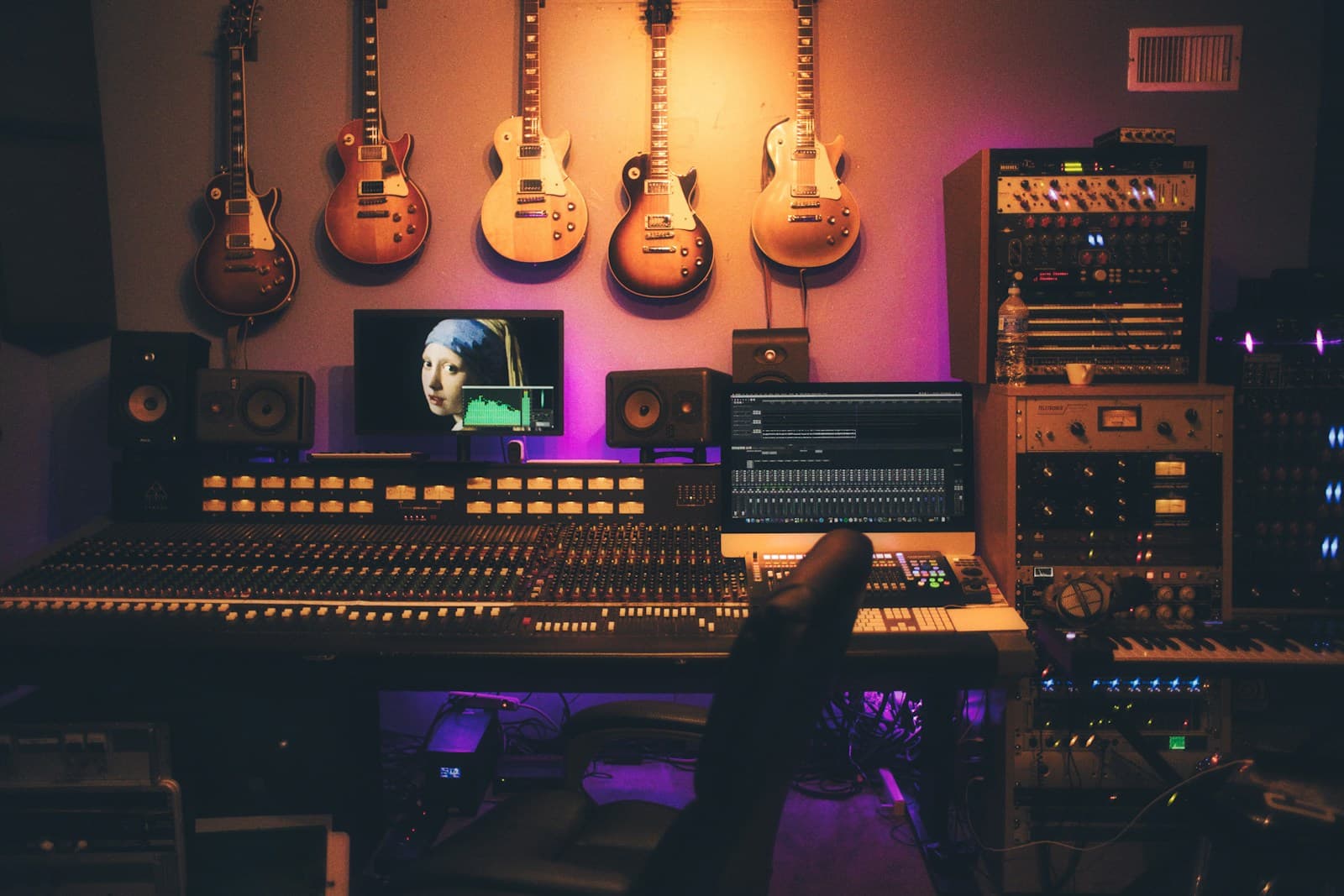
The song is done. It sounds better than either of you expected, everyone's buzzing, and nobody has said a single word about who owns what. This is the part people skip, because talking money in the middle of a good session feels like turning up to a party and asking about the bill. So it gets left. Then the song does something, a sync request lands or it starts pulling real streams, and suddenly two people who made something great together are not speaking.
Splitting a song fairly is not complicated. It only gets ugly when it happens late. Here is how to do it properly, before it becomes the thing that ends a good working relationship.
Have the conversation before the song is finished
The best time to agree the split is early, when nobody knows if the song will do anything. That is exactly why it works. When there is no money on the table yet, people are generous and relaxed. Everyone is just trying to make the track good. Nobody is guarding a percentage of something that does not exist.
Leave it until the song is doing numbers and the same conversation gets tense, because now you are both dividing something real, and everyone quietly remembers their own contribution as slightly bigger than it was. That is not people being greedy. It is just how memory works. Agree it early and you skip all of that.
You do not need a lawyer in the room. You need one honest conversation and something written down.
The two things you are actually splitting
This is the bit that trips everyone up, so it is worth getting straight. A song is really two separate pieces of property, and they can be split differently.
- The composition (sometimes called the publishing) is the song itself: the melody, the lyrics, the chords, the top line. If someone else covered your song, this is the part they would be paying for.
- The master is the specific recording you made. The actual audio file. When someone streams your track or licenses it for a video, the master is what they are using.
Most of the time, in a small collaboration between a couple of artists, you split both the same way and move on. But knowing they are separate matters. The producer who made the beat might have a bigger share of the master, while the writer who wrote every word has a bigger share of the composition. You do not have to force one number to cover everything.
When in doubt, split it equally
Here is the honest truth: for most collaborations between two or three people, an equal split is the right answer, and it is right far more often than people expect.
The temptation is to itemise. I wrote sixty percent of the lyrics, so I should get sixty percent. You start totting up bars and hours and it feels precise, but it is a trap. It turns a creative thing into an argument about spreadsheet rows, and it poisons the next session because now everyone is keeping score.
Equal splits are not lazy. They are a bet that the relationship is worth more than the two percent you might have squeezed out of it.
If someone genuinely did far more of the work, say so and adjust. A song where one person wrote and recorded everything and the other added a single background vocal is not a fifty-fifty song, and pretending it is helps nobody. But the ordinary case, where two people showed up and built something together, is usually a clean even split. Reach for that first, and only complicate it when there is a real reason to.
Write it down with a split sheet
A split sheet is not a scary legal document. It is one page that lists everyone who worked on the song and what percentage each person gets. That is the whole idea. It exists so that in two years, when nobody remembers the session clearly, there is a record you both signed while it was fresh.
A usable split sheet has:
- The song title, and the date you made it.
- Every contributor's full legal name, not just their artist name.
- What each person did (wrote lyrics, produced, topline, additional vocals).
- The percentage split for each person, adding up to a hundred.
- Each person's contact and, if they have it, their PRO or publishing details.
- A signature or a clear agreement in writing from everyone.
You can find free split sheet templates online, or honestly a shared note that everyone has typed their name into and agreed to is far better than nothing. The format matters less than the fact that it exists and everyone saw it.
What counts as a contribution
People argue about this more than the numbers, so it helps to be clear up front. Writing melody or lyrics counts. Producing the instrumental counts. A distinctive topline or a hook that defines the song counts. These are the things that made the song what it is.
What usually does not earn a writing split: engineering and mixing (that is normally a flat fee or a master share, not a piece of the song), giving feedback, or being in the room. Being present while a song gets made is not the same as making it. This sounds harsh written down, but agreeing it out loud early saves the exact resentment that builds when someone assumes they are owed a slice and finds out later they are not.
If you cannot agree
Sometimes you will hit a genuine disagreement, and that is fine. Two things help. First, go back to the work itself rather than to how you each feel about it: what is actually on the record, and who put it there. Second, remember that a slightly smaller share of a finished, released song beats a bigger share of a track that stays on a hard drive because the two of you fell out over it.
If it really cannot be resolved and the song matters enough, that is the point where a music lawyer earns their fee. Most collaborations never get near that. The ones that do usually got there by leaving the conversation too late, which is the whole thing this article is trying to help you avoid.
Frequently asked questions
How do you split royalties on a song fairly?
For most collaborations between two or three people, an equal split is the fairest and simplest answer, and it is right more often than people expect. Only move away from an even split when someone genuinely did far more of the creative work. Whatever you land on, agree it early and write it down on a split sheet that everyone signs.
Do you need a split sheet?
Yes, for any song with more than one contributor. A split sheet is a one-page record of who worked on the track and what percentage each person owns. It is not a legal contract you need a lawyer for, but it is the document that settles any argument later, because everyone agreed to it in writing while the session was still fresh.
Should the master and the publishing be split separately?
They can be, and knowing they are separate matters. The composition (the publishing) is the song itself, while the master is the specific recording. In a small collaboration most people split both the same way, but a producer might take a larger share of the master and a writer a larger share of the publishing. You do not have to force one number to cover both.
What percentage should a producer get on a song?
There is no fixed rule, and it depends on how much the beat and production shaped the final song. A producer who wrote the entire instrumental has a strong case for an equal share alongside the writer. The safest approach is to talk about it before the song is finished rather than assume a number, and to treat the producer's contribution to the composition and to the master as two separate questions.
Does mixing or engineering earn a share of the song?
Usually not. Mixing and engineering are normally paid as a flat fee or given a share of the master recording, rather than a writing split in the song itself. Giving feedback or being in the room does not earn a writing credit either. Agreeing this out loud early prevents the resentment that builds when someone assumes they are owed a slice and finds out later they are not.
What happens if collaborators cannot agree on the splits?
Go back to what is actually on the record and who put it there, rather than how each person feels about it. Remember that a smaller share of a released song beats a bigger share of a track that never comes out because you fell out over it. If it still cannot be resolved and the song is worth it, that is when a music lawyer earns their fee, though most collaborations never get near that point.
Get the collaboration right first
All of this only matters once you are actually in the room with someone, which is the harder part. If you are still working out who to make music with, that is worth solving first: here is how to find people to make music with from zero, the best places to find collaborators this year, and how to actually send the first message without it getting left on read.
Tonivo is built for the whole of this: finding artists whose sound fits yours, reaching out, and making something together. Sort the split early, keep it fair, and the person you made this song with will still want to make the next one with you. That is the part that actually pays off.